

How Much Light Comes Through a Tensile Membrane
Light transmission by material, what each one feels like underneath, and why daylight and solar heat are two different questions.
Translucent is not transparent
A membrane roof glows. It does not let you see the sky through it, and for most buildings that is the point.
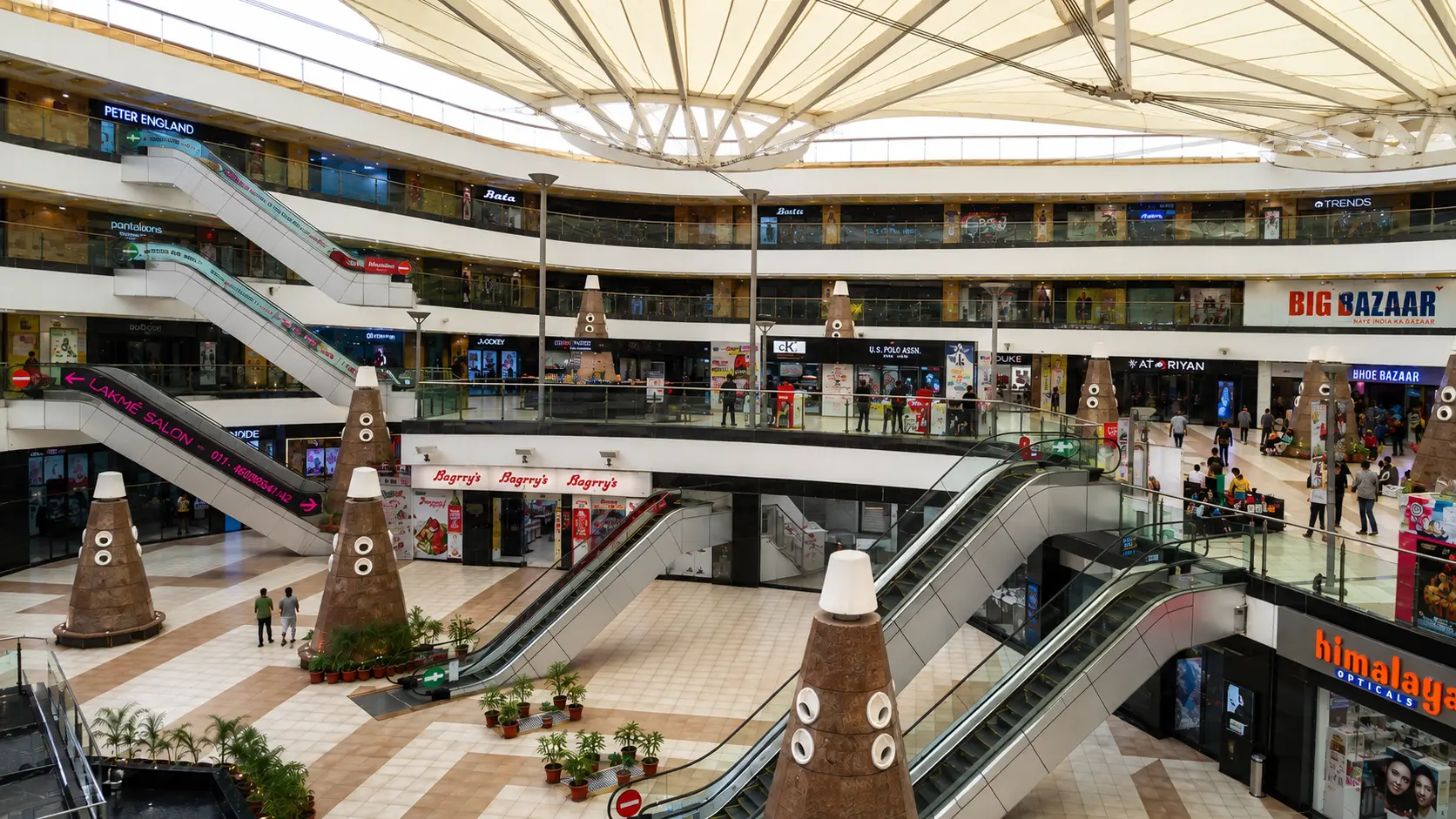
Architectural fabric scatters light rather than passing it straight through. The result is a soft, even, shadow-free light underneath with no glare and no hot spot — closer to an overcast sky than to a window. People consistently describe the space as brighter than the transmission figure suggests, because diffuse light reaches further into a space than a direct beam does.
That matters commercially. A membrane roof over a courtyard, a walkway or an atrium can often run through the day with the lights off, which a metal sheet roof over the same area cannot. The trade-off is that you cannot see through it, and that light levels swing with the weather.
How much light each membrane passes
Visible light transmission by material. These are the ranges we publish across the site; the exact figure depends on weight, colour and finish.
| Membrane | Light transmission | What it feels like underneath |
|---|---|---|
| PVC-coated polyester | roughly 5–15% | A soft glow. Comfortable, clearly daylit, lights usually off by day. |
| PVDF-lacquered PVC | around 5–10% | Much the same as the PVC base; the lacquer is about soiling, not light. |
| PTFE-coated glass | roughly 10–20%, rising as it self-cleans and whitens | Brighter than PVC, and it gets brighter over the first years rather than dimmer. |
| ETFE film (clear) | up to about 95% | Close to glass. A genuinely bright, near-outdoor interior. |
The spread inside each band is real: a heavier fabric passes less light than a lighter one of the same type, and a dark or printed fabric passes much less than a white one. If daylight is a requirement rather than a nice-to-have, specify the transmission figure in the contract and ask for the manufacturer’s data sheet for the exact grade. Full detail by material is in the materials guide.
Four things that change the result
Colour, more than anything
White passes the most. Beige, grey and coloured fabrics drop sharply, and a dark membrane can be close to opaque. This is the single biggest lever and it is usually chosen on appearance alone.
Fabric weight
Heavier base cloth means more yarn in the way. A 1050 gsm fabric passes noticeably less than a 650 gsm one of the same family.
Layers
A lining, an acoustic layer or a second membrane for insulation each cut transmission. Two layers are not half of one — they are usually much less.
What is above and around
A membrane under a tree canopy or between tall buildings delivers far less than its rated figure. The specification is measured in a lab, not on your site.
Light, heat and glare are different questions
A bright roof is not automatically a hot one, and this is where most confusion sits.
Visible light transmission and solar heat gain are separate properties. A white PTFE roof reflects roughly 70–75% of solar energy while still passing 10–20% of visible light — bright underneath, and much cooler than the brightness suggests. A clear ETFE roof passing 95% of the light also passes a great deal of heat, which is why large ETFE roofs are often fritted with a printed dot pattern to cut gain while keeping the space bright.
Glare is rarely a problem with fabric, because the light arriving is already diffused. It can be a problem with clear ETFE, which behaves much more like glass. If the space below has screens in it, raise this at design stage rather than after.
Daylight & Translucency FAQ
The questions that come up before a specification is settled.
Roughly 5–15% for PVC-coated polyester, around 5–10% for PVDF, roughly 10–20% for PTFE-coated glass, and up to about 95% for clear ETFE film. Colour and fabric weight move the figure within each band.
In most cases yes, and that is one of the main reasons people choose fabric over metal sheet. Because the light is diffused it spreads further into the space than a direct beam would, so spaces feel brighter than the percentage suggests.
No. Coated architectural fabric is translucent, not transparent — it scatters light rather than passing an image. Clear ETFE film is the exception and behaves much more like glass.
Not necessarily; light and heat are separate. A white PTFE roof reflects roughly 70–75% of solar energy while staying bright underneath. Clear ETFE is the one to watch, which is why large ETFE roofs are often fritted.
Yes, and not always downwards. PVC tends to dim slowly as it soils. PTFE-coated glass self-cleans and whitens with age, so it usually gets brighter over its first years.
Only up to a point. Colour is the biggest single factor in transmission, and a dark fabric can be close to opaque. If daylight matters, start from white and use colour on the steel or on trims instead.
Yes, and it is worth planning early. Membranes light beautifully from below — uplighting makes the whole surface glow — but fixings for light fittings must be designed in, not drilled later.
Name the figure and the test basis, and ask for the manufacturer's data sheet for the exact fabric grade. A supplier who will put the number in writing is giving you something you can hold them to. Start with a site survey.
Let’s Build Your Structure
Speak directly with our structural engineering team to discuss your project dimensions, material options, or to schedule a free on-site technical inspection across India.
- 28+Years experience
- Pan-IndiaTurnkey execution
- ISO9001:2015 certified
Request an itemised price quote
Fill in your requirements below for a free engineering assessment & itemised estimate.
* required — everything else is optional
Your details are used only to respond to this enquiry.
Chat with an Engineer on WhatsApp